What is Supply and Demand in Trading? (Complete Guide for Beginners)
Blog by Aliceblue News Desk
01 April 2026
6 minutes
Fuel prices are constantly changing across the world, but why?
One major reason is fluctuations in oil supply and global demand. Factors like production cuts, natural disasters affecting oil infrastructure, or sudden shifts in consumption can reduce availability, causing prices to rise.
When supply chains are affected like this, prices react almost instantly. And that’s exactly where one of the most important economic concepts comes into play: supply and demand.
But this concept doesn’t just apply to fuel or everyday goods; it’s one of the core forces driving the stock market.
Let’s break it down from a trader’s perspective.
What is ‘Supply and Demand’ in Trading?
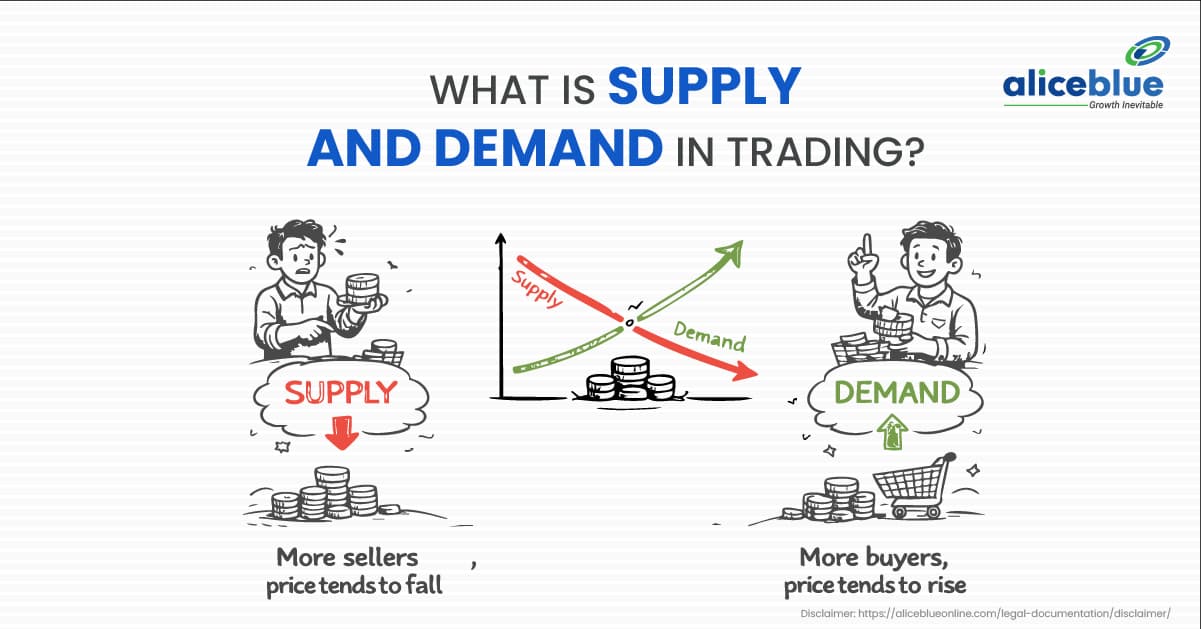
Supply and demand in trading refers to the relationship between the availability of a financial asset and a trader’s willingness to buy or sell it, which ultimately determines the price.
- When demand exceeds supply, prices rise, and when supply exceeds demand, prices fall.
Traders use this concept to identify key price levels, predict market movements, and make better trading decisions.
Note: “Support and Resistance” and “Supply and Demand” are closely related but are not the same concept.
- Support and Resistance focuses on identifying historical price levels or zones where buying and selling pressure previously caused reversals.
- Supply and Demand, on the other hand, focuses on identifying institutional order zones where large imbalances between buyers and sellers originated.
What is ‘Supply and Demand Trading’?
Supply and demand trading is a type of strategy that focuses on identifying price zones where the buying or selling pressure is usually strong.
These zones are called:
- Demand zones: areas where buyers dominate
- Supply zones: areas where sellers dominate
Traders wait for these zones and react accordingly, rather than guessing trades.
How ‘Supply and Demand’ Drive Market Trends
Bullish Trend (Uptrend):
A strong uptrend happens when:
- Buyers are more aggressive than sellers
- Demand keeps pushing prices higher
This typically starts from a demand zone, also called an accumulation zone, where institutions begin buying heavily.
Bearish Trend (Uptrend):
A downtrend occurs when:
- Sellers overpower buyers
- Supply increases significantly
Often begins at the supply zone, also called the distribution zone, where large players start selling.
Understanding ‘Supply and Demand Zones’
Supply and demand zones are areas on a price chart where the price has previously reversed or moved strongly.
Demand Zone:
- Area with strong buying pressure
- Price tends to rise from here
Supply Zone:
- Area with strong selling pressure
- Price tends to fall from here
Types of Supply and Demand Formations
Reversal Patterns:
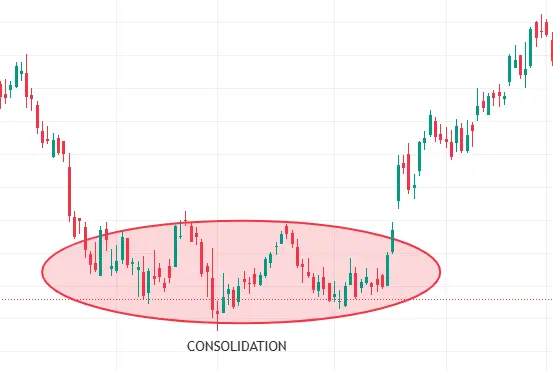
1) Down-Base-Rally:
- Price falls → consolidates → rises
- Indicates a shift from selling to buying
- Signals a potential trend reversal upward
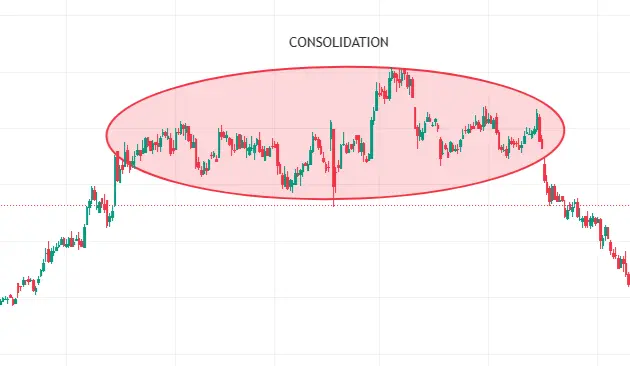
2)Rally-Base-Drop:
- Price rises → consolidates → drops
- Shows a shift from buying to selling
- Signals a trend reversal downward
Continuation Patterns:
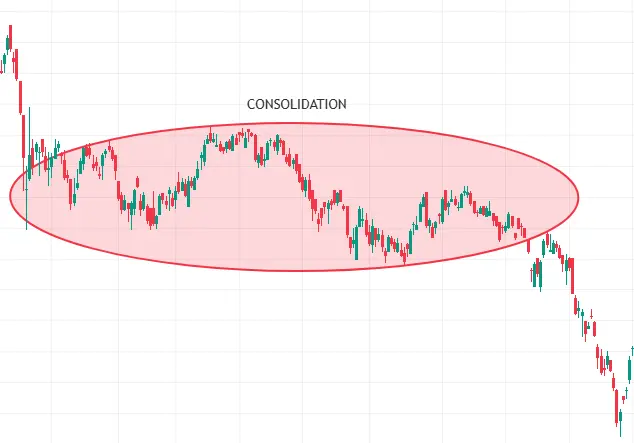
3)Drop-Base-Drop:
- Price falls → consolidates → continues to fall
- Indicates strong selling pressure
4)Rally-Base-Rally:
- Price rises → consolidates → continues to rise
- Indicates strong buying pressure
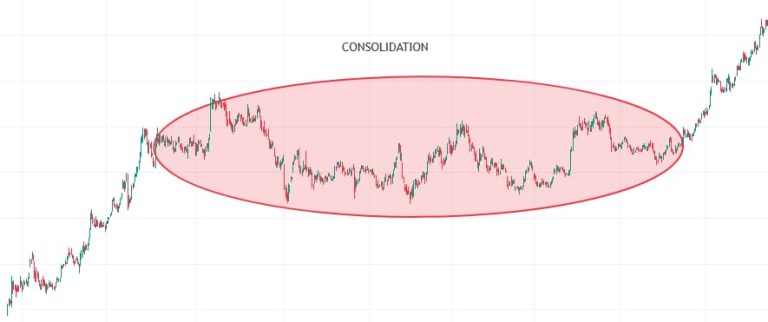
How Supply and Demand Influence Market Prices
Supply and demand directly control price movement in trading.
- High demand + low supply → price increases
- High supply + low demand → price decreases
These imbalances create trends, breakouts, and reversals. Understanding these helps traders anticipate market behavior instead of reacting late.
Supply and Demand Zones vs Support and Resistance
These concepts are closely related but slightly different:
|
Concept |
Meaning |
|
Demand Zone |
Area where the price tends to rise |
|
Supply Zone |
Area where the price tends to fall |
|
Support |
The level that prevents the price from falling |
|
Resistance |
The level prevents the price from rising |
Why Supply and Demand Zones Matter
1)Identify Price Reversals: Markets often reverse at supply and demand zones.
2)Improve Entry and Exit Points: Helps traders avoid random entries.
3)Understand Market Psychology: Shows where big players, such as institutions, are active.
4)Work Across Timeframes: Useful for scalping, intraday, and swing trading.
Tips for Effective Supply and Demand Trading
- Be Patient: Wait for the price to reach a zone.
- Use Confirmation: Combine with candlestick patterns and indicators.
- Analyze Multiple Timeframes: Strong zones appear across charts in different timeframes.
- Manage Risk: Always use stop-loss.
Common Mistakes and Misconceptions
- “High price causes demand.” – Price doesn’t create demand; it reflects buyer behaviour at that level.
- “Treating zones as exact lines.” – Supply and demand are areas, and not precise levels.
- “Ignoring market context.” – Zones are more reliable when aligned with the overall trend.
Conclusion
In trading, supply and demand are the foundation of all price movement. By identifying these zones, you gain a clear view of:
- Where price might reverse
- Where trends may continue
- Where high-probability trades exist
Always remember, success in supply and demand trading comes with practice, patience, and discipline
Frequently Asked Questions
Beginners should look for areas where the price made a strong move after a period of consolidation. Try to focus on clear, strong moves rather than small fluctuations.
Higher timeframes like daily and 4-hour provide stronger and more reliable zoes, while lower timeframes like 15-min and 5-min are better for entry precision. Most traders combine both.
Yes, supply and demand work in all financial markets; it is based on price behavior and market psychology, which are universal.
Zones can fail due to major news events often, or strong opposing market pressure, or when the zone has been tested too many times and loses strength.
Yes, some traders use algorithms to identify zones, but human judgment is often best to interpret market context and the quality of zones.
It is beginner-friendly because it focuses on simple price actions; mastering it requires regular practice and more experience.

Blog by Aliceblue News Desk


