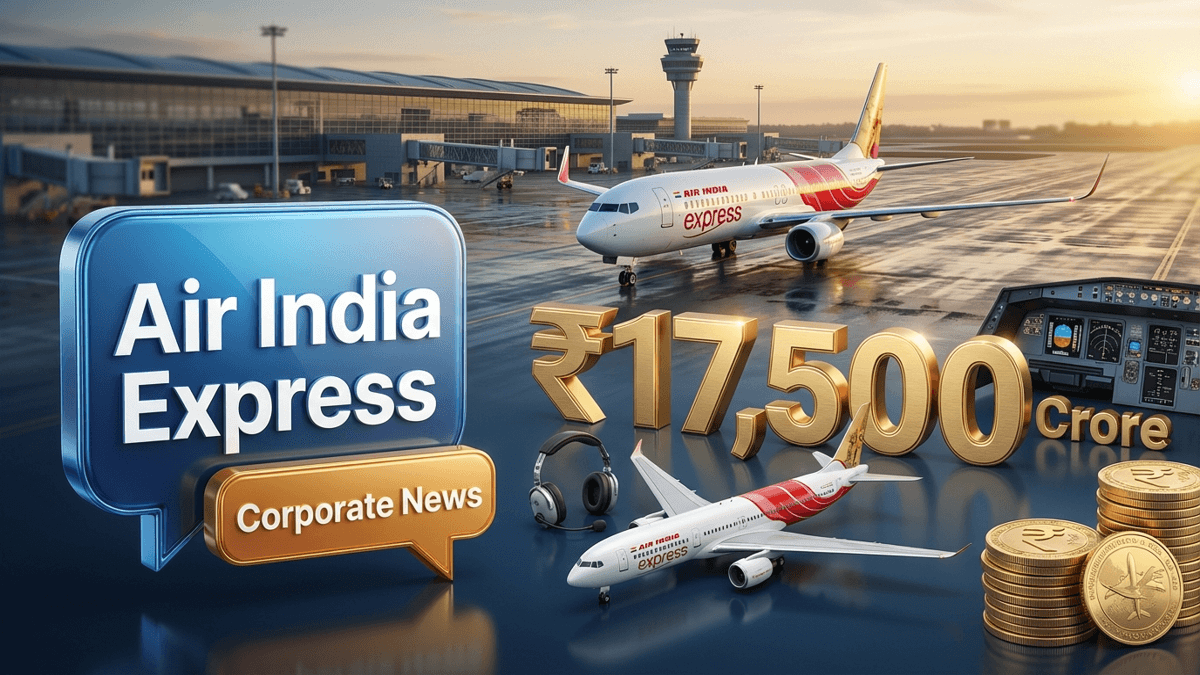
Air India Express Increases Borrowing Limit by 25% to ₹17,500 Crore
News by Aliceblue News Desk
27 Mar 2026
Air India Express Increases Borrowing Limit by 25% to ₹17,500 Crore
What Happened
On March 27, 2026, Air India Express announced a significant shift in its capital structure, confirming that its board has approved a 25% increase in the company’s borrowing limit. This strategic adjustment raises the total debt ceiling to ₹17,500 crore, a move necessitated by the carrier’s ongoing efforts to manage immediate liquidity requirements and operational cash burn. This development, disclosed in the latest regulatory filing, highlights the company’s reliance on external financing to sustain its current flight operations and network expansion plans.
The decision to expand the debt capacity follows a period of sustained financial strain as the airline navigates a challenging macroeconomic environment. The ₹17,500 crore limit is intended to provide the necessary headroom for the company to meet its short-term obligations. This disclosure underscores the urgency of the situation as the carrier seeks to stabilize its cash position amidst rising costs.

The 25% hike in borrowing capacity is a critical milestone for the airline, which has been grappling with widening losses. By increasing its debt ceiling, the company aims to ensure that it has sufficient liquidity to cover its operational expenses throughout the remainder of March 2026. This regulatory filing serves as a formal notification to stakeholders regarding the company’s revised financial strategy.
Why This Matters
The scale of this development is substantial, as the new borrowing limit of ₹17,500 crore reflects the significant capital requirements of the airline. The size of this debt expansion indicates that the company is prioritizing liquidity over balance sheet deleveraging. This ₹17,500 crore exposure represents a major commitment for the carrier as it attempts to navigate the current fiscal year ending in March 2026.
Strategically, this move signals a shift in the company’s growth trajectory. By securing an additional 25% in borrowing capacity, the airline is attempting to maintain its market share in the competitive budget segment. However, this comes at the cost of higher interest obligations, which will likely impact the company’s future profit margins. The reliance on debt to fund operations suggests that internal cash generation remains insufficient to cover its capital-intensive requirements.

The competitive positioning of the airline is also under scrutiny. With this ₹17,500 crore debt limit, the company faces the challenge of balancing its expansion with the need to maintain financial stability. Creditors will be closely monitoring how this increased leverage affects the company’s debt-to-equity ratio. The ability of the carrier to service this debt will be a key determinant of its long-term viability in the Indian aviation sector.
Market Sentiment & Impact Analysis
The overall market sentiment regarding this development is Negative, with a High sentiment strength. The primary market drivers identified include severe liquidity constraints and operational cash burn, which have been exacerbated by the company’s widening losses. The 25% increase in the borrowing limit to ₹17,500 crore underscores the acute near-term pressure the carrier faces as it struggles to maintain its operational runway.
At the entity level, the increased debt load is expected to lead to higher interest obligations, which will further strain profit margins and delay any potential turnaround in earnings visibility. For the broader market, the news carries negative undertones for constituents that hold exposure to aviation sector debt. The sector-level impact suggests underlying stress in the budget airline segment, driven by elevated operating costs and intense pricing competition.
Risk factors remain elevated, particularly due to the continued volatility in Aviation Turbine Fuel (ATF) prices and potential INR depreciation, which could further erode operating margins. Furthermore, there is significant execution risk in the company’s operational restructuring. If the carrier fails to generate sufficient cash flows to service the expanded ₹17,500 crore debt, it could lead to increased credit risk for its lenders. The company’s financial resilience is being tested, and the market is currently pricing in these liquidity challenges.
What Investors Are Watching Next
Investors are focusing on several key catalysts over the next 12 months. In the immediate term, the market will look for updates on the utilization of the newly approved ₹17,500 crore debt limit. The next quarterly results will be critical for assessing whether the company can stabilize its operational cash burn. Additionally, any further regulatory disclosures regarding the terms of this debt expansion will be closely scrutinized.
In the medium term, the focus will shift to the company’s ability to manage its working capital cycle and reduce its reliance on external financing. Investors should monitor the execution progress of the carrier’s restructuring plans, as this will determine the long-term impact on its margins. Key metrics to track include the trend in interest coverage ratios and the company’s ability to maintain its market position without further increasing its debt burden beyond the ₹17,500 crore threshold.
FAQs
-
What is the financial impact of the debt increase?
The 25% increase in the borrowing limit to ₹17,500 crore reflects the company’s need to address severe liquidity constraints. This move is expected to increase interest costs, which will likely put further pressure on the company’s bottom line as it navigates the fiscal year ending in March 2026. -
How does the new debt limit compare to the company’s scale?
The ₹17,500 crore debt limit is a significant figure for the carrier, representing a substantial portion of its capital structure. The company’s ability to manage this debt will be central to its operational stability in the current market environment. -
What are the execution risks associated with this debt expansion?
The primary risks include the potential for continued operational cash burn and the impact of volatile ATF prices. With the debt ceiling now at ₹17,500 crore, the company faces the challenge of ensuring that its restructuring efforts generate enough cash to service these obligations. -
How will this affect the company’s financial ratios?
The increase in debt is expected to negatively impact the company’s debt-to-equity ratio. This will likely lead to higher interest expenses, potentially reducing net profit margins in the upcoming quarters of 2026. -
What is the sector context for this development?
The aviation sector is currently facing stress due to high operating costs. The 25% increase in borrowing by Air India Express signals that budget carriers are under significant pressure, which may prompt a reassessment of the financial health of other players in the industry. -
What are the regulatory implications of this announcement?
The company has complied with disclosure requirements regarding its debt limit increase. This transparency is essential for stakeholders to understand the company’s financial position and the risks associated with its ₹17,500 crore debt exposure as of March 27, 2026. -
What should stakeholders monitor going forward?
Stakeholders should track the company’s quarterly revenue growth, margin trends, and debt servicing capabilities. Specifically, monitoring the utilization of the ₹17,500 crore limit and any updates on operational efficiency in the next earnings cycle will be crucial for evaluating the company’s progress.

News Author
Aliceblue News Desk