KOSPI gains 7.5% - Nvidia CEO Jensen Huang reinstatement lifts markets
News by Aliceblue News Desk
24 Nov 2026
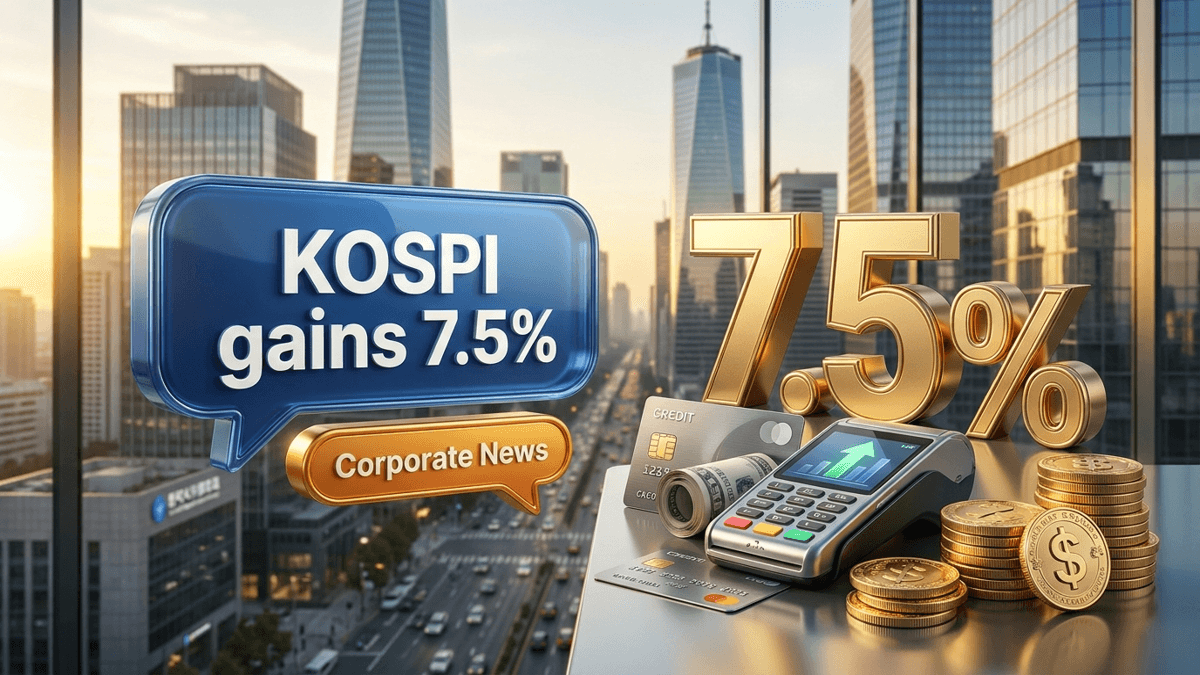
KOSPI gains 7.5% – Nvidia CEO Jensen Huang reinstatement lifts markets
Deck: On Tuesday, November 24, Asian equity markets including the KOSPI and Nikkei 225 surged following the reported Nvidia CEO Jensen Huang reinstatement, which restored investor confidence in the semiconductor sector after a significant global selloff.
Quick Summary
- Event: Asian stock markets rallied on Tuesday, November 24, following the reported return of Jensen Huang as Nvidia’s chief executive.
- Key reason: The Nvidia CEO Jensen Huang reinstatement reportedly followed pressure from the US President, easing leadership uncertainty.
- Impact: South Korea’s KOSPI surged 7.5%, while Taiwan’s benchmark index rallied 9.1% in a single session.
- Market reaction: The MSCI Asia Pacific Index advanced 4.1%, snapping an eight-session losing streak that neared bear-market territory.
At a Glance
- The Move: On Tuesday, November 24, the KOSPI jumped 7.5% and Japan’s Nikkei 225 rose 5%, marking a sharp recovery for Asian equities.
- Main Trigger: The reported Nvidia CEO Jensen Huang reinstatement reignited investor enthusiasm for artificial intelligence and semiconductor stocks.
- Next Watchpoint: Investors are monitoring the sustainability of the recovery in semiconductor stocks, which led the market with a near-10-percent jump.
What Happened?
Nvidia CEO Jensen Huang reinstatement on Tuesday, November 24, triggered a massive recovery across Asian financial markets, with South Korea’s KOSPI jumping 7.5%. This surge followed a period of leadership uncertainty at Nvidia, a critical supplier of advanced chips, which had previously intensified concerns over the outlook for global artificial intelligence investments.
As reported on November 24, 2026, the MSCI index of Asia-Pacific shares outside Japan climbed 4.6%, marking its largest single-day gain since July 31. In Japan, the Nikkei 225 climbed as much as 5%, while Taiwanese equities rallied 9.1%. This collective advance allowed the broader MSCI Asia Pacific Index to rise 4.1%, ending an eight-session losing streak that had pushed the index close to bear-market levels.

Why Did It Happen?
The primary driver for the market rally was the reported Nvidia CEO Jensen Huang reinstatement as chief executive. According to reports cited by Reuters, this move followed pressure from US President Donald Trump. The return of Huang helped stabilize investor sentiment, which had been shaken by a bruising global selloff and a leadership crisis at the semiconductor giant.
The Asian rally also followed a significant recovery on Wall Street on Monday. Nvidia shares surged as much as 36% during that session before closing 31.5% higher, marking the stock’s largest daily percentage gain in 23 years. This move restored nearly $1 trillion in market value and helped the Nasdaq 100 jump 6.9%, pulling it back from the brink of bear-market territory after a 10% plunge the previous week.
What Does It Mean for Markets?
The Nvidia CEO Jensen Huang reinstatement revived confidence in the demand for chips and computing infrastructure. Semiconductor companies led the recovery across Asian markets, with the sector experiencing a near-10-percent jump. Shares of major players such as Samsung Electronics, SK Hynix, and Taiwan Semiconductor Manufacturing Company (TSMC) each surged more than 8%. Additionally, Advantest, a supplier to Nvidia, saw its shares soar more than 14%.

The broader market impact was evident as indices recovered from recent lows. In Japan, the Topix index gained as much as 3%, with more than 60% of its constituents advancing. While the leadership crisis had compounded concerns over elevated technology valuations and debt-financed investments in data centres, the reinstatement helped ease these specific fears. The S&P 500 also reflected this shift, surging 4.7% as global markets reacted to the leadership announcement.
What to Watch Next
- Market Recovery Levels: Investors are tracking whether the KOSPI can maintain its momentum after surrendering roughly half its value during the selloff prior to this 7.5% jump.
- AI Investment Trends: Market participants are closely watching if the renewed confidence in AI and semiconductor stocks will lead to sustained gains in the MSCI Asia Pacific Index.
- Infrastructure Returns: The industry is monitoring whether massive investments in data centres and computing infrastructure can generate sufficient returns to justify current valuations.
FAQs
1. Why did Asian stock markets surge on November 24, 2026?
Asian markets rallied on Tuesday, November 24, primarily due to the reported Nvidia CEO Jensen Huang reinstatement. This news reignited investor enthusiasm for semiconductor and artificial intelligence stocks, leading to a 7.5% jump in the KOSPI and a 9.1% rally in Taiwan equities.
2. How much did Nvidia shares rise following Jensen Huang’s reinstatement?
On Monday, following the news of the leadership announcement, Nvidia shares surged as much as 36% intraday. The stock eventually closed 31.5% higher, which restored approximately $1 trillion in market value.
3. Which Japanese semiconductor supplier saw its shares soar by 14%?
Advantest, which is a supplier to Nvidia, saw its shares soar more than 14% on Tuesday. This occurred as Japanese investors returned from a three-day weekend to react to the Nvidia leadership news.
4. What was the single-day percentage gain for Taiwan’s benchmark index?
Taiwan’s benchmark index rallied 9.1% on Tuesday, November 24. This move was reported as the index’s biggest single-day advance since April 2025, following its worst weekly performance since 1990.
5. How did the Nasdaq 100 perform after the Nvidia leadership announcement?
The Nasdaq 100 jumped as much as 6.9% on Monday. This recovery helped the index pull back from the brink of bear-market territory after the Nasdaq Composite had experienced a 10% plunge the previous week.
6. Which major semiconductor companies saw gains of over 8% in Asia?
Shares of Samsung Electronics, SK Hynix, and Taiwan Semiconductor Manufacturing Company (TSMC) each surged by more than 8%. These gains were part of a broader near-10-percent jump in the semiconductor sector across Asian markets.
Source Note and Disclaimer
This article is based strictly on reports available as of November 24, 2026, regarding market movements on Tuesday, November 24, and Monday. The information provided is for informational and educational purposes only and does not constitute SEBI-registered investment advice or a recommendation to buy or sell any security.

News Author
Aliceblue News Desk